

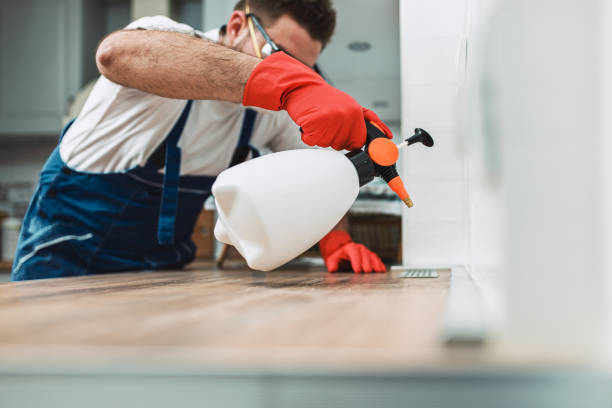
When it comes to pest control, ensuring the safety of your children while keeping your home pest-free is a top priority. Harmful chemicals and improper methods can pose risks to young children. Luckily, there are effective child-safe pest control options that protect your family and home without compromising on safety.
Key Principles of Child-Safe Pest Control
- Prevention First: Preventing pests from entering your home should always be the first step in pest control.
- Non-Toxic Solutions: Opt for methods that do not involve harmful chemicals or toxins.
- Integrated Pest Management (IPM): Use environmentally-friendly strategies that focus on long-term prevention and minimal pesticide use.
Non-Toxic Pest Control Options
- A natural substance made from fossilized algae.
- Effective against ants, cockroaches, fleas, and other crawling pests.
- Safe for humans but harmful to pests due to its dehydrating properties.
- Ensure food-grade DE is used in areas accessible to children or pets.
- Essential Oils as Natural Repellents
- Certain essential oils have strong pest-repellent properties:
- Peppermint oil: Repels spiders, ants, and mice.
- Lavender oil: Deters moths and flies while leaving a pleasant scent behind.
- Apply these oils by mixing with water and spraying around common entry points like doors and windows.
- Use enclosed bait stations instead of sprays or traps with exposed chemicals.
- Bait stations minimize contact risks for children while targeting pests at their source.
- Install door sweeps, window screens, and seal cracks in walls or floors to prevent entry.
- Use mesh covers over vents or chimneys as an additional barrier.
Everyday Habits for Pest Prevention
| Habit | Why It Matters |
| Regular cleaning | Removes food crumbs that attract pests |
| Sealing food in containers | Prevents infestations by limiting access |
| Emptying trash regularly | Reduces potential breeding grounds |
Professional Child-Safe Treatments
- Heat treatments for bedbugs or termites (chemical-free).
- Biological controls like introducing natural predators (e.g., ladybugs for aphid infestations).
- Low-risk pesticides registered with the Environmental Protection Agency (EPA) as safe around children.
A combination of preventative measures, non-toxic products, and professional guidance ensures your family’s health remains intact while maintaining a pest-free environment at home.
Effective Tips for Pest Control Largo FL: How to Identify and Prevent Flying Termite Infestations
Flying termites, also known as swarmers or alates, can be an early indicator of a more significant termite infestation in your home. Identifying these pests correctly is essential to address the problem promptly and prevent property damage. Here’s how you can identify flying termites and implement effective prevention measures.
Effective Pest Removal Largo FL: Understanding Flying Termites
- Flying termites have two pairs of wings that are equal in length and shape.
- Their wings are translucent with a veiny texture and may appear white or light gray.
- Termites have straight, uniform bodies without the pinched “waist” commonly seen in ants.
- The body is typically pale brown or beige, blending with wooden surfaces.
- Flying termites have straight, beaded antennae. In contrast, ants have elbowed antennae.
- Swarmers often emerge in warm, humid conditions after rainfall during the spring or summer months.
- They are attracted to light sources at night.
| Feature | Flying Termites | Flying Ants |
| Wing Length | Equal pairs | Unequal (front longer) |
| Body Shape | Straight | Pinched waist |
| Antennae | Straight | Elbowed |
| Emergence Season | Warm/humid weather | Varies |
Identifying Termite Infestation Signs with an Exterminator Largo FL
- Discarded Wings: Piles of shed wings near windowsills, doors, or light fixtures indicate swarmers have been indoors.
- Mud Tubes: Thin mud tunnels on walls or foundations built by subterranean termites for moisture control and travel.
- Damage to Wood: Hollow-sounding wood when tapped or visible grooves on wooden surfaces.
- Frass (Termite Droppings): Small piles of fine wood-colored pellets near infested areas.
Top Pest Control Services Largo FL Offers for Effective Prevention
1. Eliminate Moisture Issues
- Fix leaking pipes and faucets promptly.
- Ensure proper drainage around your home’s foundation to prevent water accumulation.
- Use dehumidifiers in basements and crawl spaces if needed.
2. Reduce Wood-to-Ground Contact
- Avoid direct contact between soil and wooden structures like fences or decks.
- Store firewood at least 20 feet away from your home.
3. Seal Entry Points
- Inspect your home’s exterior for cracks in the foundation or gaps around utility lines.
- Seal any openings with caulk to block termite access.
4. Regular Inspections
- Schedule annual professional termite inspections for early detection.
- Inspect vulnerable areas like basements, attics, and crawl spaces regularly yourself.
5. Use Termite Barriers
During construction or renovations:
– Install physical barriers like stainless steel mesh under foundations.
For existing structures:
– Apply soil treatments using termiticides around the perimeter of your home.
When to Call Professionals
- Licensed exterminators use specialized tools like baiting systems and fumigation when necessary.
- Professional-grade treatments target entire colonies rather than individual insects observed indoors.
Proactive identification coupled with robust prevention strategies ensures long-term protection against flying termites while safeguarding your property from costly damage caused by these destructive pests.
How to Identify Flying Termites and Effectively Prevent Infestations
Flying termites, also known as alates or swarmers, are a major concern for homeowners as they signal the potential for a termite infestation. Recognizing these pests early and taking preventative measures is essential for protecting your home from structural damage. In this guide, we’ll cover how to identify flying termites and the most effective ways to prevent infestations.
Identifying Flying Termites
Physical Features:
– Wings: Flying termites have two sets of wings that are equal in size and extend beyond their body length. Their translucent wings often have noticeable veins.
– Antennae: The antennae of a termite are straight and bead-like, unlike the elbowed antennae of ants.
– Body Shape: Termites have a straight, uniform body without the pinched waist seen in ants.
Behavioral Signs:
– Swarming typically occurs during warm seasons after rainfall when humidity levels rise.
– You may notice discarded wings around windowsills or light sources after a swarm.
| Feature | Flying Termite | Flying Ant |
| Wing Size | Equal-sized pairs | Unequal (front larger) |
| Body Shape | Straight-bodied | Pinched waist |
| Antennae | Straight and bead-like | Elbowed |
Early Signs of Infestation
- Mud Tubes: Termites create mud tubes along walls or foundations to maintain moisture while traveling between their nest and feeding sites.
- Hollow Wood Sounds: Tapping on wood that has been hollowed out by termites produces an empty sound.
- Frass (Termite Droppings): Small piles of wood-colored pellets near wooden structures could indicate an infestation.
If you spot any of these signs, it’s advisable to contact a pest control professional immediately for inspection.
Effective Prevention Methods
- Repair leaking pipes, faucets, or AC units.
- Ensure gutters and downspouts direct water away from your foundation.
- Use concrete bases for outdoor wooden structures like decks or fences.
- Avoid storing firewood directly on soil near your home.
- Fill cracks in walls, foundations, or ceilings to limit access points.
- Install weatherstripping around doors and windows.
- Conduct annual professional inspections to catch potential problems early.
- Monitor basements, attics, crawl spaces, and other vulnerable areas regularly.
- Opt for pressure-treated wood when constructing new structures around your house as it resists termite damage effectively.
Natural Deterrents for Safe Prevention
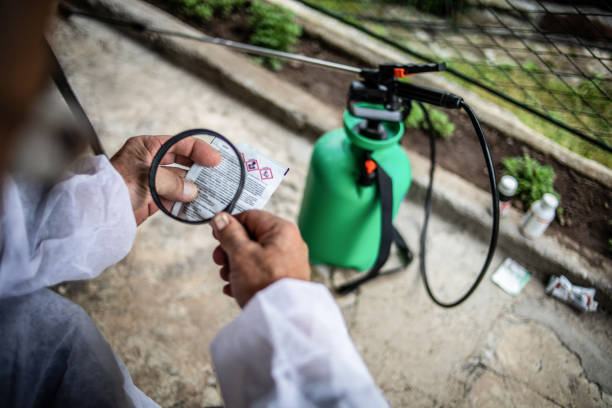
- Use natural repellents such as orange oil or neem oil on susceptible wooden surfaces.
- Introduce beneficial nematodes into garden soil to target termite larvae naturally.
- Plant termite-repellent plants like vetiver grass or lemongrass around your property perimeter.
By following these steps diligently, homeowners can protect their property from flying termites while ensuring minimal disruption to their daily lives.
Effective Pest Control Solutions for a Safer and Healthier Home
Creating a safe and healthy home environment is a priority for every homeowner. Pests, however, can disrupt this balance, posing risks to both the health of your family and the structural integrity of your property. Implementing effective pest control solutions ensures your home remains secure and comfortable without compromising the wellbeing of its occupants. Below are actionable strategies and approaches you can adopt to maintain a pest-free environment.
Preventative Measures for Pest Control
- Seal Entry Points: Inspect your home’s exterior for cracks, gaps around doors or windows, and other potential entry points. Use caulk or weather-stripping to seal these areas.
- Maintain Cleanliness: Keep your kitchen free from food crumbs, spills, and leftover food items. Regularly clean countertops, floors, and appliances.
- Proper Food Storage: Store dry foods in airtight containers to prevent access by insects such as ants or pantry moths.
- Manage Moisture Levels: Fix leaky pipes or faucets that may attract pests like cockroaches or rodents. Install dehumidifiers in damp areas such as basements.
- Dispose of Trash Properly: Use sealed trash bins both inside and outside your home to deter scavengers like raccoons or rodents.
Chemical-Free Alternatives
- Peppermint oil effectively repels spiders and ants when sprayed in problem areas.
- Lavender oil deters mosquitoes while leaving a pleasant scent behind.
- A natural powder that kills crawling insects like cockroaches by damaging their exoskeletons upon contact.
- A mixture of vinegar and water can help repel ants when sprayed near entryways or kitchen counters.
- Non-toxic adhesive traps are ideal for capturing insects such as flies or cockroaches without using harmful chemicals.
Professional Pest Control Services
| Service Type | Benefits | Examples |
| Inspection & Assessment | Identifies hidden infestations early | Termite inspections |
| Targeted Treatments | Focused approach reduces overuse of chemicals | Rodent bait stations |
| Preventative Plans | Long-term strategies to avoid future problems | Quarterly pest maintenance |
Hiring licensed professionals ensures safe handling of treatments while minimizing risks associated with improper application techniques.
Ongoing Maintenance Tips
- Conduct periodic inspections around the foundation of your house for signs of termite damage.
- Trim vegetation close to walls or windows that could harbor pests such as spiders or squirrels.
- Rotate stored items in storage rooms or attics frequently to prevent nesting spots for rodents.
By combining preventative measures with eco-friendly options and professional support where necessary, homeowners can safeguard their living spaces against unwanted guests while promoting overall health and safety within their households.
Effective Pest Control Solutions for a Safer and Healthier Home
Maintaining a pest-free home is essential for ensuring the safety, health, and comfort of your family. Pests not only cause property damage but also pose significant risks to your well-being by spreading diseases, contaminating food, and triggering allergies. Choosing effective pest control solutions helps you create an environment that is both safer and healthier. Below is a detailed guide on implementing pest control practices for long-term results.
Why Pest Control Is Essential for Health and Safety
- Disease Transmission: Rodents, mosquitoes, cockroaches, and other pests are known carriers of diseases such as Salmonella, Lyme disease, Dengue fever, and Hantavirus.
- Allergic Reactions: Cockroach droppings or dust mites can exacerbate asthma or trigger allergies.
- Food Contamination: Pests can contaminate food supplies with harmful bacteria like E.coli.
- Property Damage Caused by Pests
Common pests cause structural damage to homes: - Termites weaken wooden structures.
- Rodents gnaw on wiring, increasing fire hazards.
- Carpenter ants burrow into wood components.
Types of Effective Pest Control Solutions
- Prevention-Based Solutions
Prevention strategies are often the first line of defense against pests: - Seal cracks and crevices in walls or windows to block entry points.
- Use weather stripping around doors.
- Store food in airtight containers to eliminate attractants.
- Regularly clean kitchens to remove crumbs or spills.
- Chemical-Free Options
Safer alternatives minimize the use of toxic chemicals: - Diatomaceous Earth: A natural powder effective against ants, cockroaches, and bed bugs.
- Essential Oils: Peppermint oil repels spiders; citronella deters mosquitoes.
- Sticky Traps: Capture crawling insects without introducing harmful substances indoors.
- Professional Pest Control Services
For severe infestations or recurring issues: | Service Type | Benefits | |————————|———————————————–| | Inspection Services | Identify causes of infestation | | Targeted Treatments | Address specific pests using tailored methods| | Preventative Maintenance| Long-term oversight to avoid reinfestation | - Integrated Pest Management (IPM)
This eco-friendly approach combines multiple strategies: - Biological Controls: Introduce natural predators like ladybugs to reduce aphids.
- Habitat Alteration: Remove standing water where mosquitoes breed.
- Minimal Chemical Usage: Apply pesticides sparingly in targeted areas only when necessary.
Tips for Maintaining a Healthy Environment Post-Treatment
- Schedule periodic inspections by certified pest control experts.
- Keep garbage bins sealed tightly to avoid attracting rodents or flies.
- Repair plumbing leaks immediately to prevent dampness that attracts termites or silverfish.
- Trim vegetation near your home’s foundation as overgrown shrubs can harbor pests.
Adopting these solutions ensures your home remains free from unwanted intrusions while safeguarding the health of your loved ones. A balanced combination of proactive measures and professional expertise delivers effective results without compromising safety standards.
Comprehensive Pest Control Services to Protect Your Property from Infestations
Pest infestations can cause significant damage to your property, disrupt your daily life, and pose health risks to you and your family. Investing in comprehensive pest control services is essential for maintaining a safe, clean, and comfortable living environment. This guide covers the key aspects of pest control services that can safeguard your home or business from unwanted invaders.
The Importance of Comprehensive Pest Control
Comprehensive pest control services go beyond one-time solutions by offering thorough inspections, tailored treatments, and preventive measures. These services address a wide range of pests including rodents, insects, termites, and more.
Key benefits include:
– Damage prevention: Protects structural components such as woodwork, wiring, and insulation.
– Health protection: Reduces exposure to allergens and diseases transmitted by pests like rats or cockroaches.
– Long-term cost savings: Stops infestations before significant damage occurs.
Common Pests Addressed by Professional Services
| Pest Type | Risks | Areas Commonly Affected |
| Termites | Structural damage to wooden elements | Foundations, walls, furniture |
| Rodents | Disease transmission (e.g., Hantavirus) | Kitchens, basements |
| Cockroaches | Allergen triggers; contamination of food | Kitchens, bathrooms |
| Ants | Damage to food storage; potential property damage | Pantries, gardens |
| Spiders | Potentially harmful bites (in some species) | Attics, corners |
Key Components of Effective Pest Control Services
- Identifying the type of pest.
- Locating entry points and nesting areas.
- Assessing the extent of infestation.
- Use of eco-friendly pesticides for minimal environmental impact.
- Non-toxic treatments for homes with children or pets.
- Methods such as baiting systems for targeted eradication.
- Sealing cracks or gaps in walls or foundations.
- Installing screens on windows or vents.
- Maintaining cleanliness in kitchens and storage areas.
- Regular assessments to monitor progress.
- Reapplication of treatments if necessary.
Choosing the Right Pest Control Service Provider
- Verify licenses and certifications that comply with state regulations.
- Look for companies offering integrated pest management (IPM) solutions that prioritize safety and sustainability.
- Read customer reviews to gauge reliability and professionalism.
Questions you may want to ask include:
– What treatment methods will be used?
– Are the products safe for children and pets?
– What warranty or guarantee is provided for the service?
Investing in professional pest control services ensures your property remains free from infestations while providing peace of mind about safety standards being met effectively. Regular maintenance combined with preventive measures will help keep pests at bay for years to come.
- Understanding Pest Control Largo FL: Are Treatments Safe for Pets and People
- Finding the Best Largo FL Pest Control Company for a Safe and Healthy Environment
- Step-by-Step Guide: What to Expect During a Pest Control Largo FL Exterminator Visit
- What to Expect During a Pest Control Largo FL Exterminator Visit
- Kid-Safe Solutions from a Largo FL Pest Control Company: Essential Yard Treatment Tips for Parents
- Finding the Best Largo FL Pest Control Company for Effective Extermination
- Important Factors When Choosing a Largo FL Pest Control Company
- Effective Solutions from a Largo FL Pest Control Company to Keep Your Family Safe
- Choosing the Best Largo FL Pest Control Company for Effective Extermination
- Top 7 Trends Shaping Pest Removal Largo FL with Data and Innovations