


Pest infestations can disrupt your home, health, and daily routine. Professional exterminators play a critical role in identifying and addressing these problems effectively. Their visits are not just about spraying chemicals; they focus on a systematic approach to ensure thorough pest control. Below is a step-by-step guide detailing what happens during an exterminator’s visit.
Comprehensive Initial Inspection and Assessment by Exterminator Largo FL
The first step in any pest control process is an in-depth inspection of the premises. During this phase, the exterminator will:
– Assess the extent of the infestation.
– Identify the type of pest(s) invading your space, such as ants, cockroaches, rodents, or termites.
– Look for signs such as droppings, nests, damaged items (like chewed wires or wood), and live pests.
– Inspect common entry points like cracks in walls, windowsills, or doors for potential vulnerabilities.
This inspection helps them create a customized treatment plan tailored to your situation.
Recommendations for Effective Pest Control Services Largo FL
After completing their assessment:
– The exterminator will explain their findings and provide details on the nature of the infestation.
– They will discuss available treatment options based on the type of pests and severity of the issue (e.g., baiting systems for rodents or insecticide sprays for cockroaches).
– You’ll also receive advice on preventive measures to reduce future risks.
This transparency ensures you understand both the problem and proposed solutions before any action is taken.
3. Implementation of Treatment Plan
Common Treatment Methods:
| Type | Description | Example Applications |
| Chemical Treatments | Use of pesticides or insecticides | Cockroach infestations |
| Traps & Bait Systems | Non-toxic baits or traps for pests | Rodents, ants |
| Heat Treatments | High-temperature application | Bed bug eradication |
| Fumigation | Sealing areas for pesticide dispersion | Severe termite infestations |
The methods used are chosen carefully to minimize harm to residents while effectively targeting pests.
4. Follow-Up Visits (If Necessary)
For larger infestations or recurring pest problems:
– The exterminator may schedule follow-up visits to assess progress.
– Additional treatments might be applied if some pests have survived initial efforts.
– Monitoring devices may be installed temporarily in areas prone to reinfestation.
These follow-ups are key for long-term resolution since some treatments require time to fully eradicate pests.
5. Preventive Advice Post-Treatment
Once treatments are complete:
– You’ll receive specific guidance on how to maintain a pest-free environment.
– This might include sealing cracks in walls or foundations, removing food sources (such as crumbs), proper waste disposal habits, and keeping moisture-prone areas dry.
By following these recommendations closely, you can significantly reduce the risk of another infestation occurring in the future.
Benefits of Professional Pest Control Services
Opting for professional help ensures that infestations are handled efficiently and safely using industry-approved techniques that go beyond DIY approaches.
Hiring an exterminator isn’t just about solving immediate issues; it’s about gaining peace of mind knowing your living space is safeguarded against future intrusions through expert intervention coupled with preventative strategies.
Effective Solutions from a Trusted Largo FL Pest Control Company for a Pest-Free Home
When it comes to professional pest control, understanding how exterminators operate can help homeowners feel more confident in the process. From the initial inspection to implementing effective solutions, pest control professionals follow a detailed step-by-step approach to eliminate infestations and prevent their recurrence. Here is a look at the typical extermination process.
Step 1: Comprehensive Inspection
The first step in pest control is a thorough inspection of your property. During this phase, exterminators:
– Identify the type of pests present (e.g., ants, cockroaches, termites, rodents).
– Locate signs of an infestation such as droppings, nests, or gnaw marks.
– Assess environmental factors that may contribute to pest problems (e.g., standing water, food sources).
– Pinpoint potential entry points like cracks in walls or gaps around windows and doors.
An accurate assessment ensures that the treatment plan is tailored to address specific issues effectively.
Step 2: Customized Treatment Plan Development
Once the inspection is complete, the exterminator creates a tailored treatment plan designed specifically for your home and pest situation. This plan often outlines:
– The type of treatment methods (chemical sprays, traps, baiting systems).
– Environmental adjustments needed (removing food debris or sealing entry points).
– A timeline for completing treatment tasks.
At this stage, you will also be informed about safety protocols and any necessary preparation steps you should take before treatment begins.
Step 3: Implementation of Targeted Treatments
With preparation complete, professionals proceed with applying targeted treatments. Common techniques include:
– Chemical Treatments: Using pesticides in affected areas to eradicate pests on contact or over time.
– Mechanical Controls: Installing traps or barriers to physically block pests from certain areas.
– Biological Solutions: Introducing natural predators or repellents where appropriate.
– Exclusion Measures: Sealing cracks and openings to eliminate access points.
Table: Example Treatment Methods by Pest Type
| Pest Type | Common Treatment Methods |
| Rodents | Bait stations, snap traps |
| Termites | Soil-applied termiticides |
| Cockroaches | Gel baits, residual insecticides |
| Ants | Liquid barrier sprays |
Step 4: Monitoring and Follow-Up Visits
Pest control doesn’t end with one visit; exterminators often perform follow-up visits to ensure success.
This involves:
1. Monitoring treated areas for signs of activity.
2. Reapplying treatments if necessary.
3. Providing advice on how to maintain a pest-free environment moving forward.
These check-ins are crucial for ensuring full eradication and preventing reinfestation.
Step 5: Prevention Education
In addition to eliminating pests, professionals educate homeowners on proactive prevention steps such as:
– Keeping kitchens and dining areas clean.
– Storing food in sealed containers.
– Repairing leaky pipes that create moisture-rich environments attractive to pests.
– Regularly inspecting attics and basements for early signs of infestation.
By addressing both current infestations and future risks through this comprehensive process, professional exterminators ensure long-term results while promoting healthier living conditions within your home.
Effective Pest Removal Largo FL: From Inspection to a Pest-Free Home
When pests infiltrate your home, professional exterminators follow a systematic process to identify, treat, and prevent infestations. Understanding their step-by-step approach not only provides transparency but also highlights the importance of comprehensive pest control. Below is a detailed breakdown of what happens during the extermination process.
Step 1: Initial Inspection
The first and most crucial step in pest control is a thorough inspection. This involves:
– Identifying Pest Types: Exterminators determine whether the issue is caused by ants, rodents, cockroaches, termites, or other pests.
– Examining Problem Areas: Key areas of focus may include kitchens, basements, attics, and other spaces where pests are commonly found.
– Assessing Severity: Professionals evaluate how widespread the infestation is to devise an appropriate treatment plan.
During this stage, trained experts often rely on tools such as flashlights for dark corners and moisture meters to detect damp environments favored by pests like termites.
Step 2: Customized Treatment Plan Development
Once the inspection is complete, exterminators create a tailored plan based on your specific needs. The treatment plan typically includes:
1. Pest Identification and Targeting: Determining which species need to be addressed for effective control.
2. Treatment Method Selection:
– Chemical treatments (e.g., pesticides).
– Non-chemical options like traps or heat treatments for environmentally sensitive areas.
3. Safety Measures:
– Ensuring that pets and children are protected during and after treatment.
– Providing guidelines for safe re-entry into treated spaces.
Customized plans ensure that only necessary actions are taken without unnecessary overuse of chemicals.
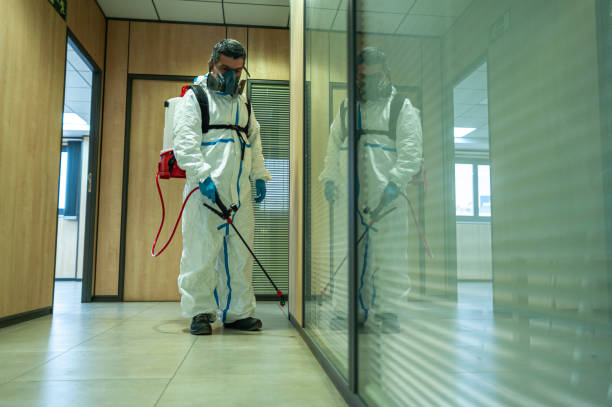
Step 3: Implementation of Treatment Strategies
The actual extermination phase involves implementing the agreed-upon methods from the treatment plan.
This could include:
– Application of insecticides or baits in key areas where activity has been identified.
– Setting up traps for larger pests such as rodents.
– Sealing entry points with caulk or wire mesh to stop further access into your property.
The duration of this step depends on factors such as infestation size and pest type; while some treatments may take just hours, others might require multiple visits over weeks.
Step 4: Monitoring Progress
Monitoring ensures that initial efforts successfully reduce or eliminate pests from your property.
Exterminators may return periodically to:
– Check bait stations and traps for activity.
– Reapply treatments if necessary.
– Assess any recurring signs of pest presence.
This stage also helps verify long-term success before transitioning into preventive measures.
Step 5: Preventive Recommendations
To avoid future infestations after treatment is complete, exterminators provide detailed prevention strategies such as:
– Sealing Gaps & Cracks: Close potential entry points along windowsills, doors, pipes, and foundations.
– Proper Food Storage: Use airtight containers for pantry items prone to attracting pests like flour beetles or rodents.
– Waste Management Practices:
– Regularly empty trash bins.
– Keep garbage areas clean and free from spills.
Some professionals offer ongoing maintenance programs where they conduct periodic inspections at scheduled intervals throughout the year.
| Treatment Phase | Key Activities | Tools/Methods Used |
| Inspection | Identifying pest type & severity | Flashlights; moisture meters |
| Treatment Plan Creation | Customizing approach | Pest identification guides |
| Implementation | Executing strategies | Pesticides; traps; sealants |
| Monitoring Progress | Observing effectiveness | Visual checks; bait stations |
| Prevention | Offering future deterrence strategies | Home maintenance tips |
Employing professional extermination services ensures that each stage of this process is carried out systematically for effective results while prioritizing health and safety concerns within your living space. Effective communication with your exterminator throughout these steps also builds confidence in achieving a fully pest-free environment for years to come.
Identifying the Culprits and Locating Entry Points to Prevent Future Infestations
Preventing pest infestations begins with a thorough understanding of the pests themselves and the vulnerabilities in your property. Identifying the culprits and locating their entry points are critical steps in achieving sustainable pest control. Below, we break down this essential process into actionable strategies and techniques.
Common Culprits in Pest Infestations
- Rodents (mice, rats): Known for gnawing through materials and contaminating food.
- Cockroaches: Thrive in warm, moist environments.
- Ants: Often enter homes searching for food or water.
- Termites: Feed on wood and can cause structural damage.
- Bed bugs: Hide in furniture or mattresses, feeding on human blood.
- Wildlife: Squirrels, raccoons, or bats may enter attics or basements seeking shelter.
Signs of Pest Activity
- Droppings or urine stains (common with rodents).
- Chewed wires, furniture, or walls.
- Dead insects near window sills or entry points.
- Unusual sounds like scratching behind walls at night.
- Nests made from shredded materials such as paper or fabric.
Locating Entry Points
- Doors and Windows: Check for gaps around frames and damaged screens that could allow insects to enter.
- Foundation Cracks: Inspect the foundation for cracks where small pests like ants or termites can infiltrate.
- Roof and Attic Openings: Look for loose shingles, vents without screens, or gaps around chimneys that could serve as entry points for rodents or birds.
- Plumbing Gaps: Examine areas around pipes entering your home—especially under sinks—for openings that may act as pathways for cockroaches or mice.
- Garbage Disposal Areas: Ensure outdoor trash bins are sealed tightly to prevent attracting wildlife.
Tools & Techniques for Detection
| Tool/Technique | Purpose | Example Usage |
| Flashlights | Illuminate dark spaces | Inspecting attics, basements |
| Moisture Meters | Detect damp areas | Identifying termite-prone zones |
| Monitoring Traps | Capture pests | Confirming species present |
| Thermal Imaging | Detect heat signatures | Locating rodent nests |
Preventive Measures Post Identification
- Seal all cracks with caulk or weatherproof materials to block access points.
- Install door sweeps under exterior doors to eliminate gaps.
- Use insect screens on windows and ventilation openings.
- Trim vegetation around your property; overhanging branches often provide pathways for pests like squirrels or ants.
By identifying pest species accurately and addressing their entry routes proactively, you can create an environment that discourages future infestations while protecting your home from long-term damage caused by these unwelcome invaders.
Identifying the Culprits and Locating Entry Points to Prevent Future Infestations
Understanding how pests invade your home is essential to implementing effective pest control measures. Identifying the types of pests and pinpointing their access points not only helps eliminate current infestations but also prevents future occurrences. Below, we break down the process of identifying culprits and locating entry points.
Common Household Pests and Their Signs
- Droppings near food sources or along baseboards.
- Gnaw marks on cables, furniture, or walls.
- Scratching noises inside walls or ceilings.
- Small droppings resembling black pepper.
- Musty odor in areas of infestation.
- Shed exoskeletons near dark, moist spaces.
- Visible trails leading to food sources.
- Small mounds of dirt near entry points outside the home.
- Hollow-sounding wood when tapped.
- Mud tubes along walls or foundations.
- Discarded wings near windowsills or doors.
- Red bite marks on skin in a cluster pattern.
- Rust-colored stains on bedding from crushed bugs.
- Small white eggs in mattress seams.
Inspection for Entry Points
- Windows and Doors: Ensure gaps around windows and doors are sealed properly with weather stripping or caulking to prevent entry.
- Foundations and Walls: Look for cracks in the foundation, gaps around utility pipes, or loose bricks that could allow pests in.
- Attics and Basements: Inspect these spaces for unsealed vents, damaged insulation, or crevices that may serve as access points.
- Rooflines and Chimneys: Check for damaged shingles, open vents, or deteriorated chimney caps where rodents or insects might enter.
- Garages: Examine garage doors for improper sealing at the base where small pests like mice can squeeze through.
Preventive Measures
- Seal all cracks and holes using silicone caulk.
- Install screens over vents and chimneys to block potential access routes.
- Use door sweeps under exterior doors to deter small animals from entering.
- Keep food stored securely in airtight containers to avoid attracting pests.
- Regularly inspect outdoor areas such as gardens, trash bins, and woodpiles that could harbor pests nearby.
| Area Inspected | Common Culprits | Suggested Actions |
| Windows & Doors | Ants | Apply weather stripping |
| Foundations & Walls | Termites | Seal cracks with concrete filler |
| Attics & Basements | Rodents | Install steel wool in crevices |
| Rooflines & Chimneys | Birds | Use chimney caps |
| Garages | Insects | Add rubber door seals |
Benefits of Proactive Identification
By successfully identifying culprits early on and addressing vulnerabilities around your home’s structure:
– You save time by reducing recurring infestations.
– Pest-related property damage is minimized significantly.
– Your overall health risks related to pest-borne diseases decrease substantially.
A thorough inspection combined with preventive actions ensures a pest-free living environment—a proactive approach that safeguards your home effectively over the long term.
- Understanding Pest Control Largo FL: Are Treatments Safe for Pets and People
- Finding the Best Largo FL Pest Control Company for a Safe and Healthy Environment
- Step-by-Step Guide: What to Expect During a Pest Control Largo FL Exterminator Visit
- What to Expect During a Pest Control Largo FL Exterminator Visit
- Kid-Safe Solutions from a Largo FL Pest Control Company: Essential Yard Treatment Tips for Parents
- Finding the Best Largo FL Pest Control Company for Effective Extermination
- Important Factors When Choosing a Largo FL Pest Control Company
- Effective Solutions from a Largo FL Pest Control Company to Keep Your Family Safe
- Choosing the Best Largo FL Pest Control Company for Effective Extermination
- Top 7 Trends Shaping Pest Removal Largo FL with Data and Innovations